A coordinated supply package is more than equipment from several categories on one quotation. We translate the approved project into specifications, quantities and interface requirements, then organise sourcing and supply around those decisions. The package makes accessories, documents, delivery boundaries and responsibilities visible so the receiving team understands what is arriving and what is needed to put it into use.
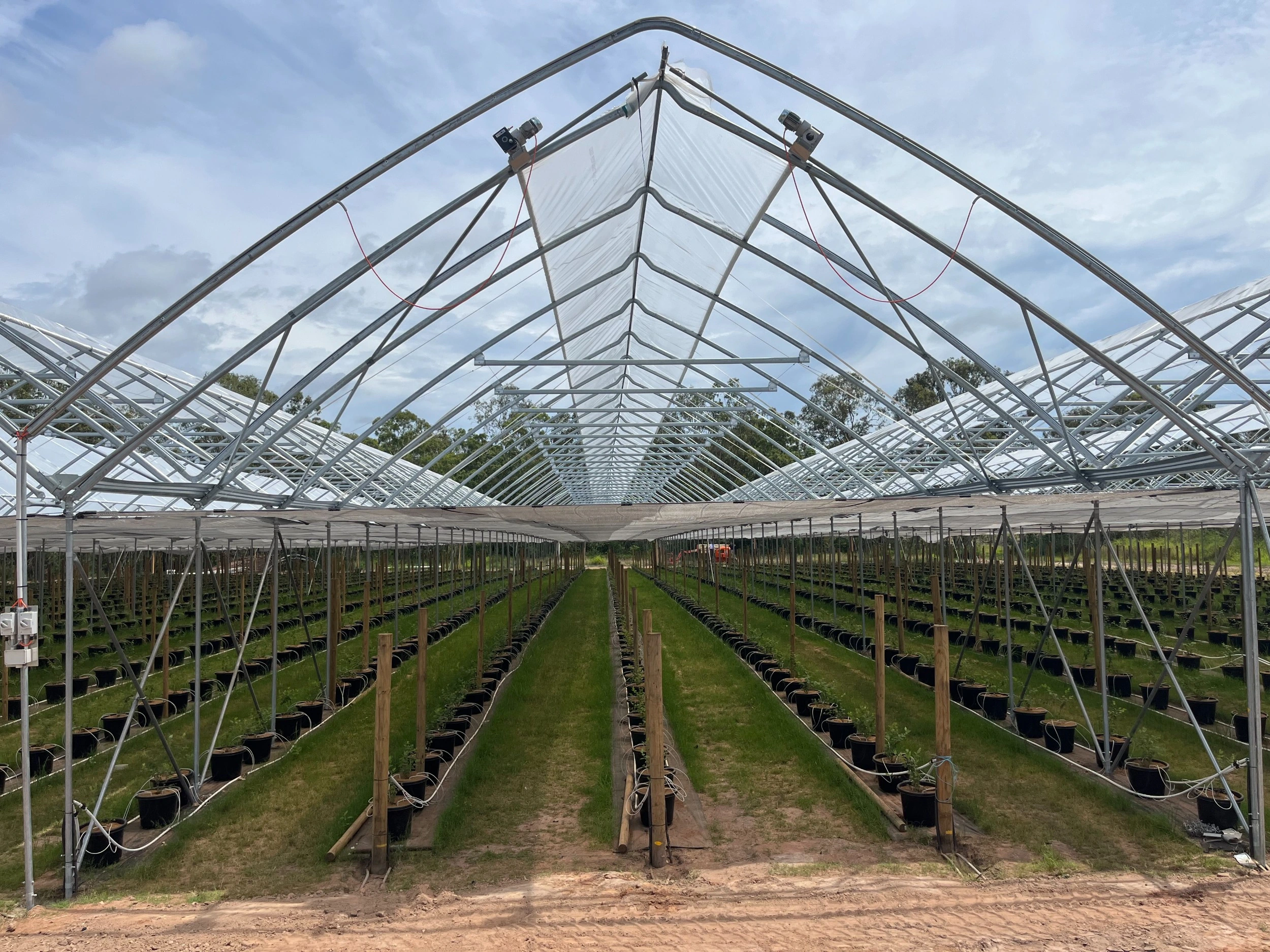
Illustrative project view. The actual layout and equipment are defined by the agreed specification.
System scope
Specify the connections, as well as the equipment.
These work packages form the technical brief. Their boundaries, configurations and quantities are confirmed during project development.
01
Structures and installation prerequisites
Define structural configuration, accessories and documents alongside the site works they depend on. Identify parties confirming ground conditions, supports, local review and access. Drawings must distinguish supplied items from foundations or services provided by others, so a complete equipment list does not conceal an unassigned construction task.
Specify irrigation equipment against approved water conditions and connections. Include design-required fittings, valves, filtration, instrumentation and controls, separating options from essentials. Confirm pipe standards, electrical requirements and signals at each boundary; nominal pipe size or a product-family name alone is insufficient for an interface check.
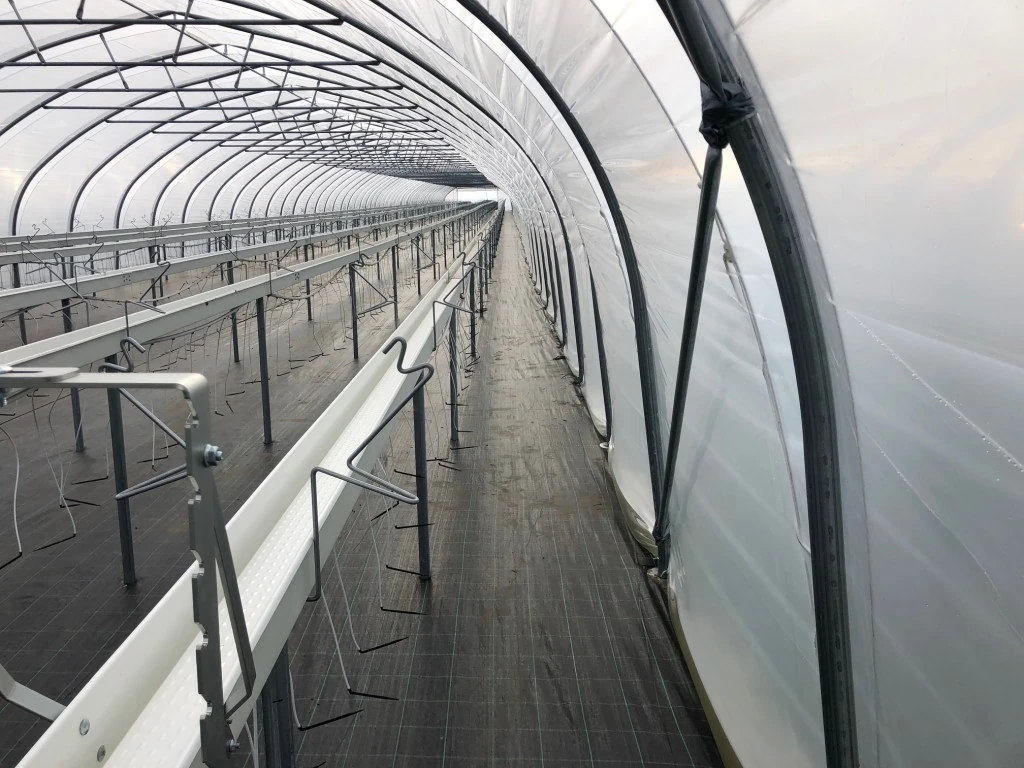
Connect growing hardware with operating containers, trolleys and access dimensions. Record supports, clearances, handling loads and cleaning needs for the actual configuration. Photographed accessories are not automatically included; identify each required component and client-supplied item explicitly in the equipment schedule, with quantities tied to the approved layout.
Coordinate receiving conveyors, weighing stations, closing and labelling with agreed pack formats and handover points. Define mechanical dimensions, electrical services and any required data exchange before comparing offers. Keep weighing and packing functions distinct from optical quality sorting; demonstrations and acceptance methods must reflect the functions actually included in the selected package.
From the first brief to a coordinated supply scope.
01
Prepare a comparable specification
Use one requirements schedule for configuration, quantities, accessories, conditions and documents. Resolve differing assumptions before comparing totals. Record alternatives separately and identify outstanding technical information that must be clarified before purchasing.
02
Allocate package interfaces
Name both sides of each connection and its approver. Assign adapters, supports, utilities and field work. Agree document revisions and change approval so substitutions cannot silently alter the approved design or transfer unagreed responsibilities.
03
Coordinate dispatch and receiving
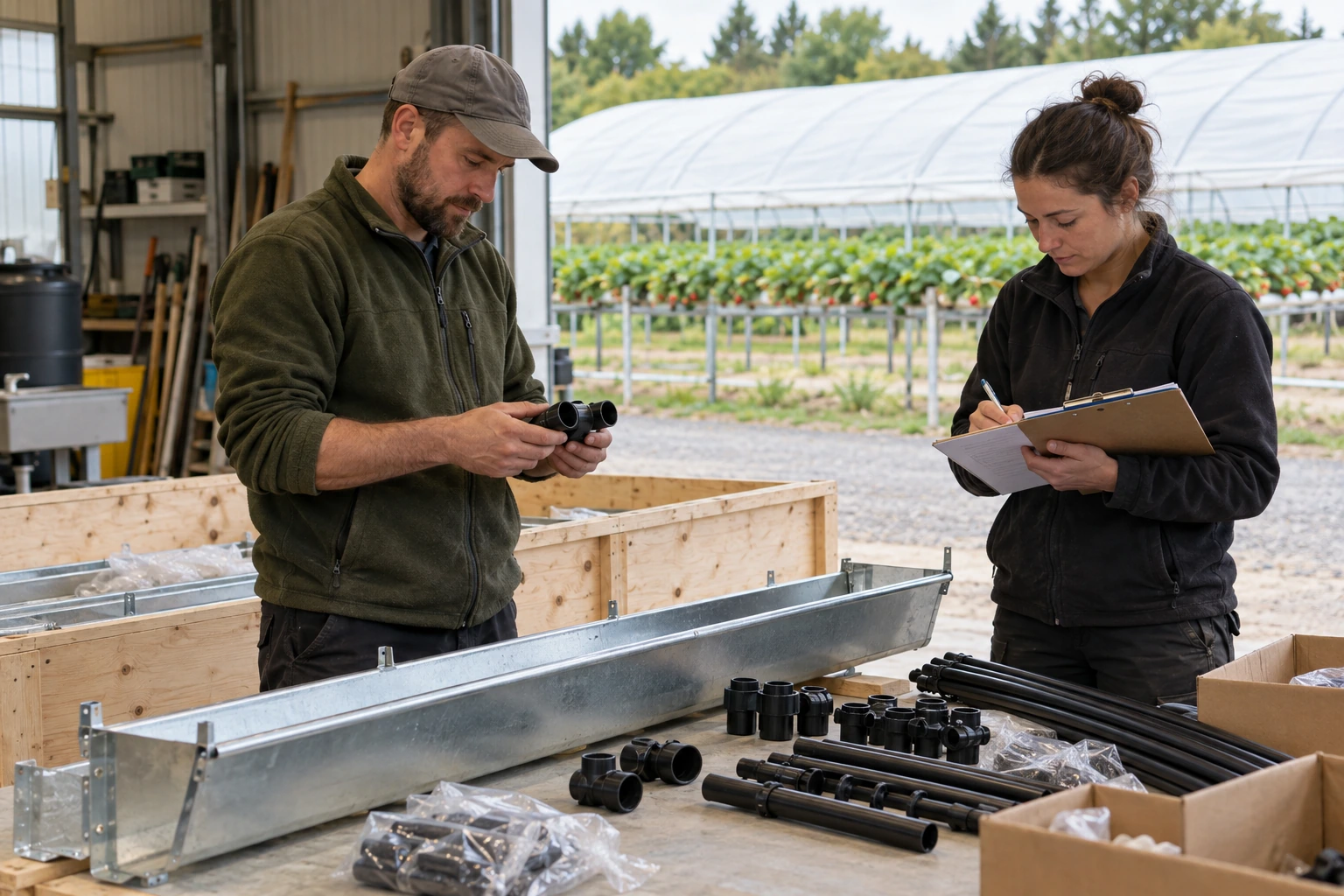
Match package identifiers to equipment references. Confirm delivery sequence, access, unloading and storage. Agree receiving inspection and discrepancy reporting; partial shipments must retain item references so missing components remain visible to the receiving team.
04
Inspect and hand over
Keep receipt inspection, functional checks and operating trials separate. Review criteria against the supplied configuration. Assemble documents and open items so operators know applicable settings, maintenance references, restrictions and support arrangements.
Project documents
A project you can review, price and implement.
The agreed scope identifies which documents we prepare, their level of detail and the parties responsible for review. The package below is defined for this solution.
01
Controlled equipment schedule identifying references, configurations, quantities, accessories, client-supplied items, options and exclusions for the agreed supply package.
02
Interface and responsibility register covering connections, site prerequisites, document approvals and the work needed from each participating party.
03
Delivery document register and packing references connecting commercial, transport, handling and receiving information to the items in the equipment schedule.
04
Configuration-specific handover dossier with available manuals, final drawings, agreed check records, maintenance references and documented outstanding items or restrictions.
Review & acceptance
Agree how the proposed system will be checked.
Turn project objectives into review points. Test conditions, responsibilities and records belong in the agreed specification.
Received quantities and configurations reconcile with approved references, with shortages, damage or substitutions recorded through the agreed discrepancy procedure.
Required interfaces and functions are checked under agreed conditions, without treating delivery inspection as proof of operational performance.
The handover register matches the supplied configuration, and remaining actions have named owners, deadlines and clearly documented operating implications.
Connected equipment
Explore the equipment families behind the solution. Final selection follows the coordinated specification.
01Approved brief, equipment scope, operating conditions and requirements that are fixed versus open to alternative configurations.
02Layout, interface drawings and dimensions for retained equipment, utility connections, access routes and proposed installation spaces.
03Required accessories, software functions, consumables and spare-part priorities, with client-supplied items clearly identified in the enquiry.
04Delivery destination, sequence, receiving contacts, unloading capacity and storage conditions for equipment arriving before site readiness.
05Document language, drawing requirements, destination-specific commercial documentation needs and named people responsible for reviewing each technical submission.
06Acceptance objectives, test product or utilities and responsibilities for installation, operating trials, training and subsequent equipment support.
Future Farm Equipment provides independent engineering and supply within the agreed contract. Commercial availability, delivery terms, local documentation, installation, commissioning, training and ongoing support are confirmed per package; coordination does not imply every service is included.