
Define the harvest objective
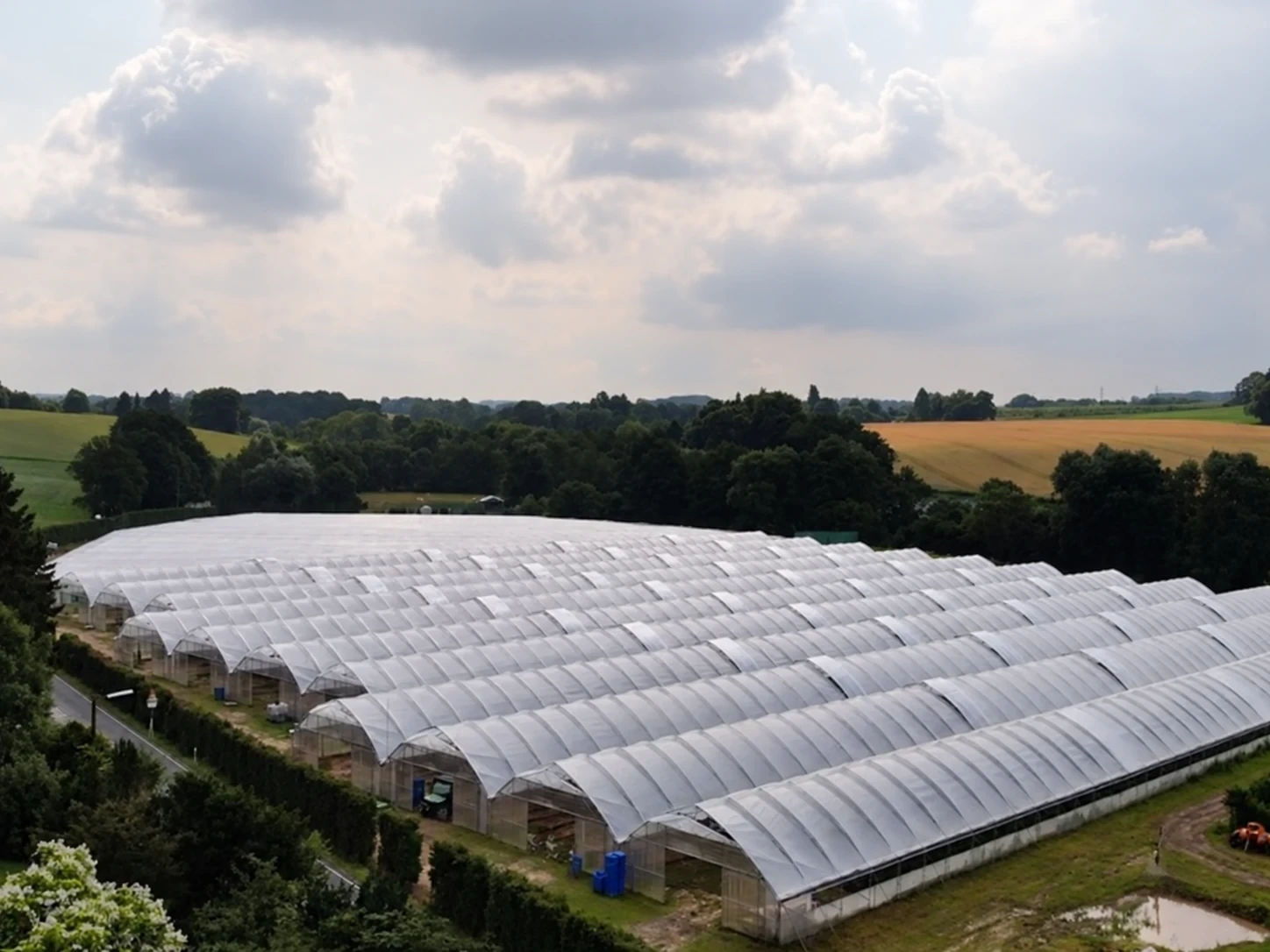
Start with the crop, planting material and intended sales window. Rain protection, earlier production and a longer autumn season create different requirements. Record whether plants grow in soil, bags or elevated gutters, and whether the covering stays on all year. Identify the management team and the time available for opening vents, inspecting covers and responding to changing weather before comparing tunnel ranges.
Establish the site and load assumptions
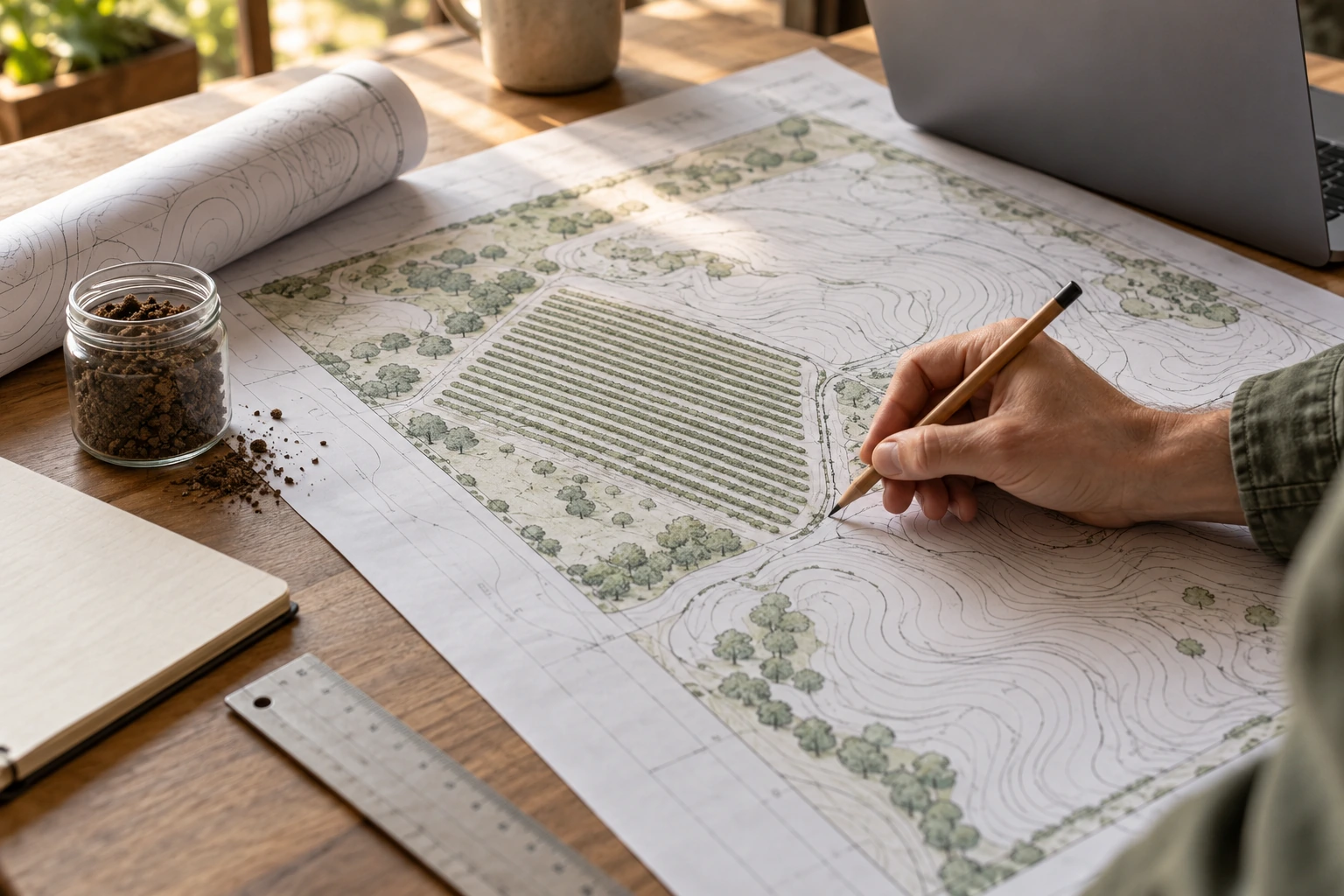
A layout needs surveyed levels, access, drainage routes and credible local wind and snow information. Soil conditions affect anchoring; a generic anchor description is not a site-specific foundation design. Include wet substrate, crop supports, irrigation pipes and any suspended equipment in the structural brief. Existing tunnels need a compatibility review before additional loads are attached. Keep site preparation and local approvals visible in the project scope.
Select ventilation as an operating system
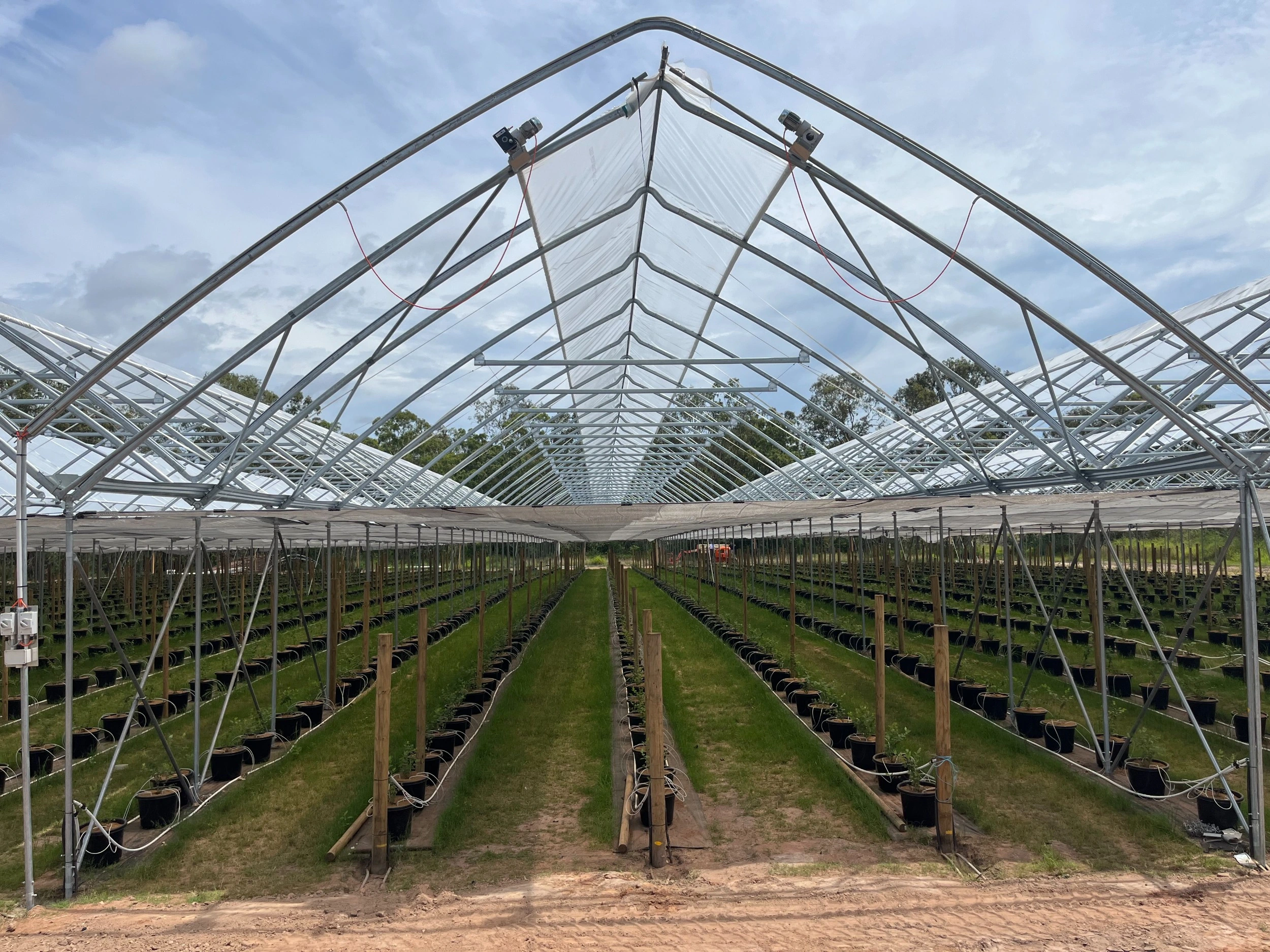
Compare side and roof ventilation by the climate and the daily work they require, not by opening size alone. A longer or wider block may behave differently from a small demonstration tunnel. Specify how vents are controlled, what happens after a power failure and who follows the weather response procedure. Shade and protective nets also affect airflow and light; assess them together with the covering and crop calendar.
Coordinate rows, gutters and access
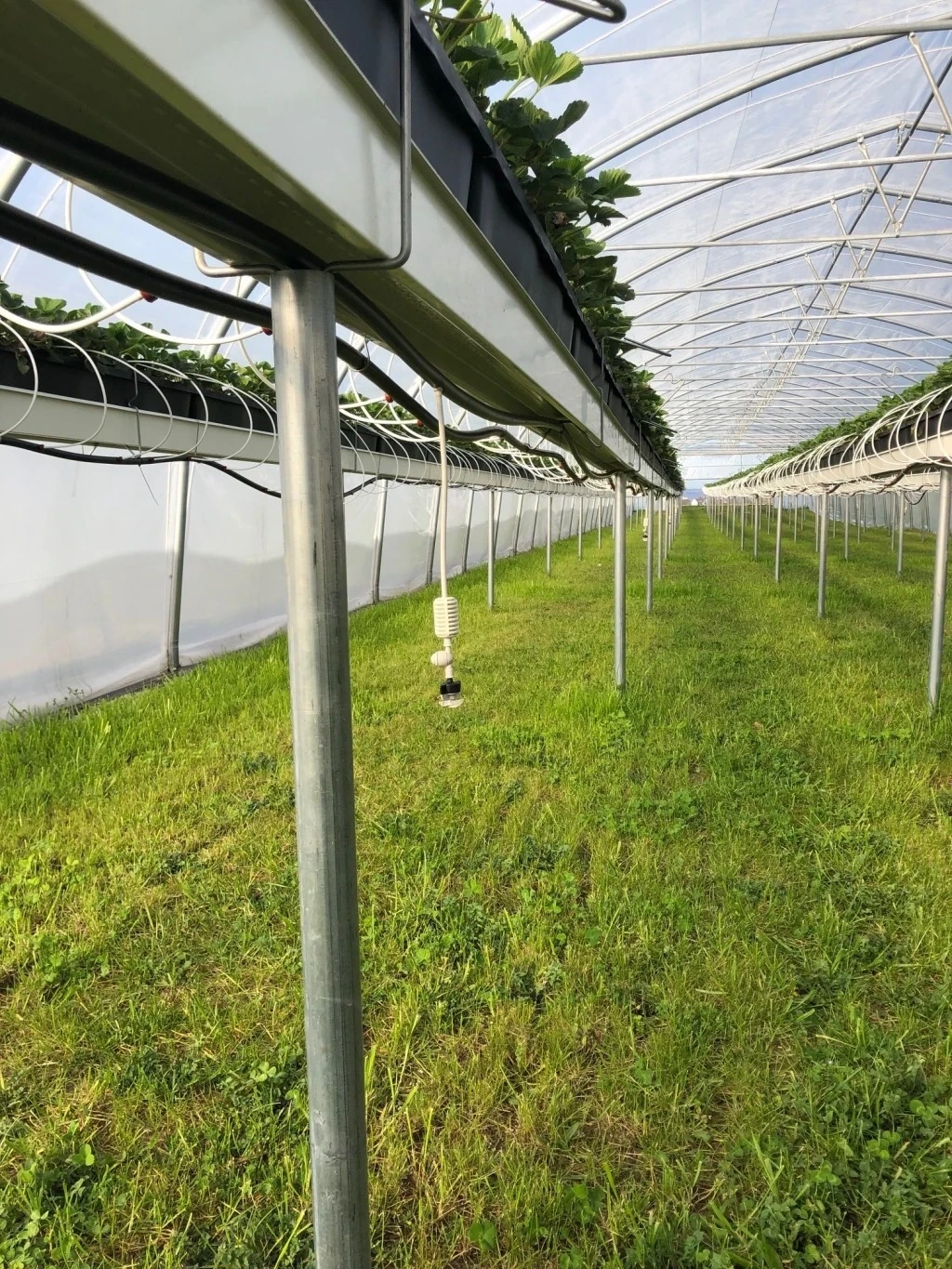
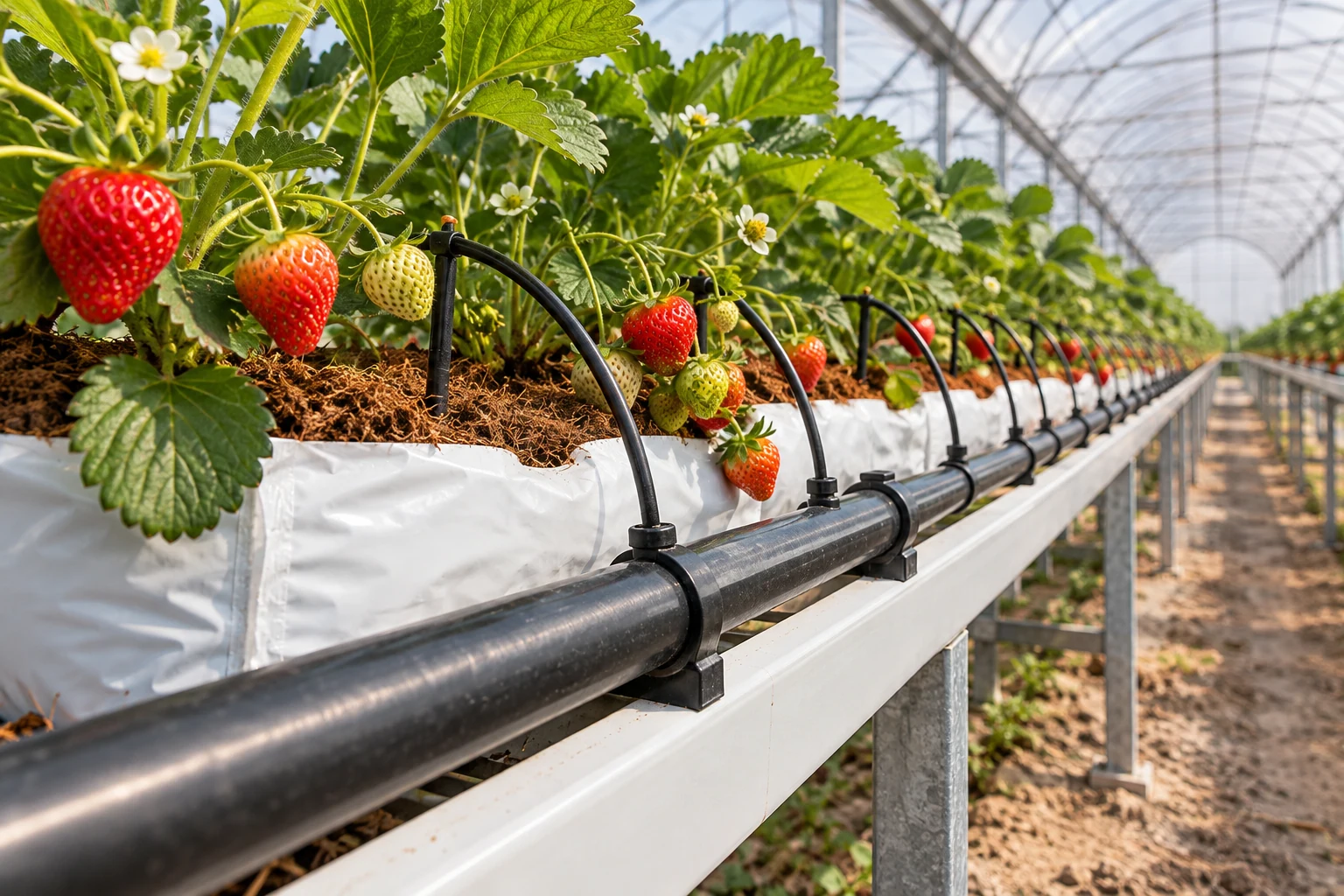
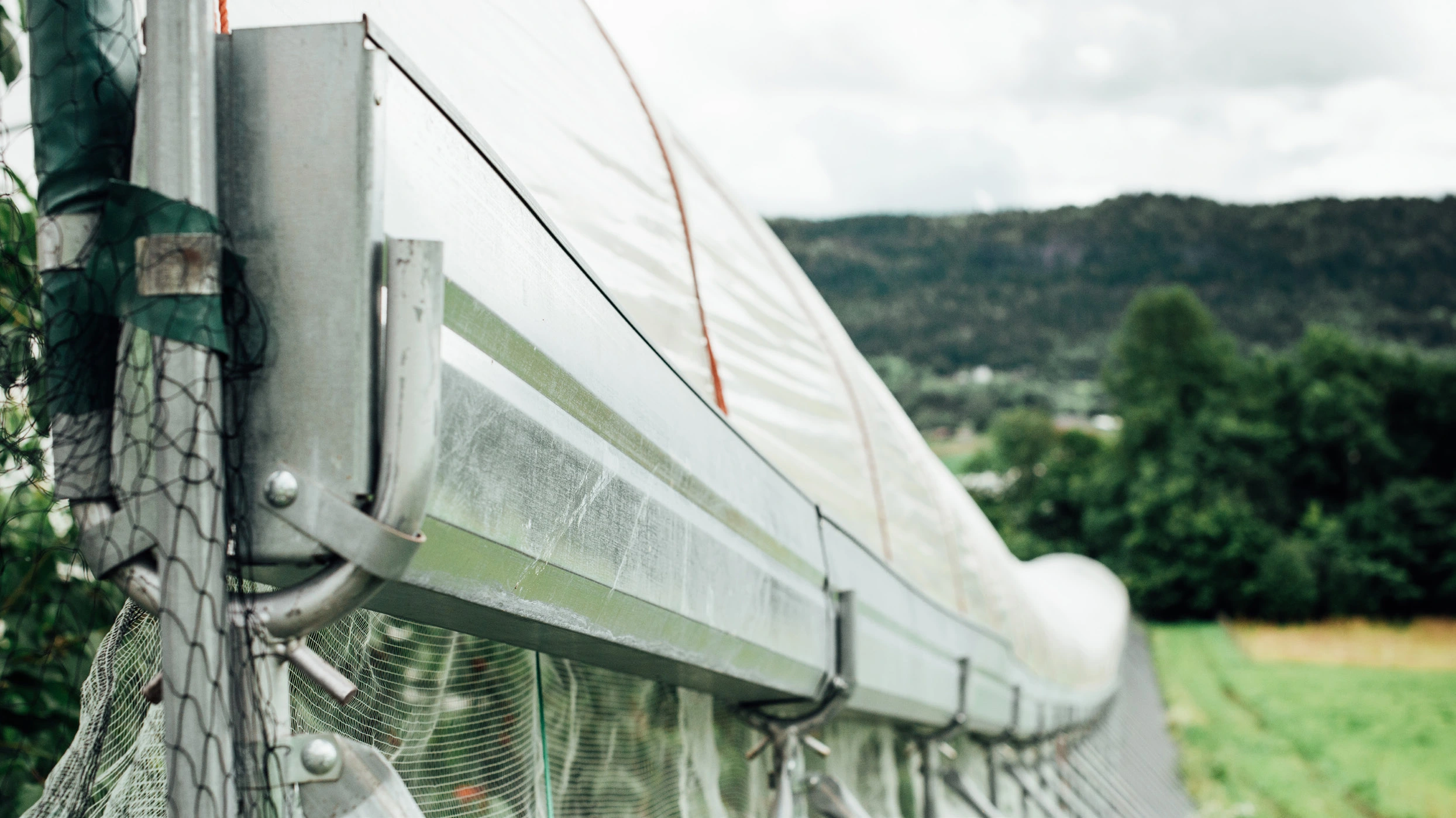
Draw a complete bay with mature plants, not just an empty frame. Show picking positions, trolley clearance, turning areas, irrigation lines and drainage outlets. Elevated gutters need agreed support spacing and a drainage strategy; ground-grown rows need practical access for crop care and cover handling. Check that doors and end spaces accommodate the selected equipment. Resolve these interfaces before freezing quantities for the equipment schedule.
Compare complete packages
Separate frame, anchors, film, vents, doors, water collection and growing-system components in the quotation. Ask which fixings and assembly drawings are included and which utilities or civil works remain with the client. Compare the same covered area and selected configuration. A lower headline price may omit installation supervision, transport or spare covering material. Keep these differences in a written comparison rather than relying on photographs.
Define a useful handover
Agree the records required before the first planting: final layout, selected configuration, assembly instructions, inspection points and maintenance responsibilities. Confirm how the team receives operating instructions for covers and vents. Future Farm Equipment can coordinate the project brief, documentation and equipment supply; installation, commissioning and local design approvals must be allocated explicitly. A documented handover makes later repairs and expansion easier to specify.
Match the question to the specification
Swipe the table sideways to compare all columns.
| Your objective | Compare | Confirm before ordering |
|---|---|---|
| Seasonal rain protection | Field tunnel and covering arrangements | Covering period, anchoring and weather procedure |
| More active climate management | Ventilation configurations and controls | Operating labour, power and failure response |
| Elevated substrate production | Integrated supports, gutters and crop access | Wet loads, clearances and drainage interfaces |
Common mistakes to avoid
- 01
Choosing by width alone: check ventilation, working access and load assumptions together.
- 02
Assuming an unheated cover prevents every frost: establish a separate crop-risk and operating plan.
- 03
Adding suspended gutters after procurement: verify the frame and anchoring before attaching new loads.
Bring these inputs to the project discussion
Mark the information you already have. Download the list and use it to prepare your conversation with our engineering team.
The checklist is a working aid. Ticks stay on this page only; no information is sent. Missing inputs can be identified together during the project review.
An introductory planning guide from Future Farm Equipment. Equipment specifications, site calculations, responsibilities and the final scope are confirmed in the project documentation and proposal.